Est. 1927 · Prague
A Century in
the Making
The First Pour
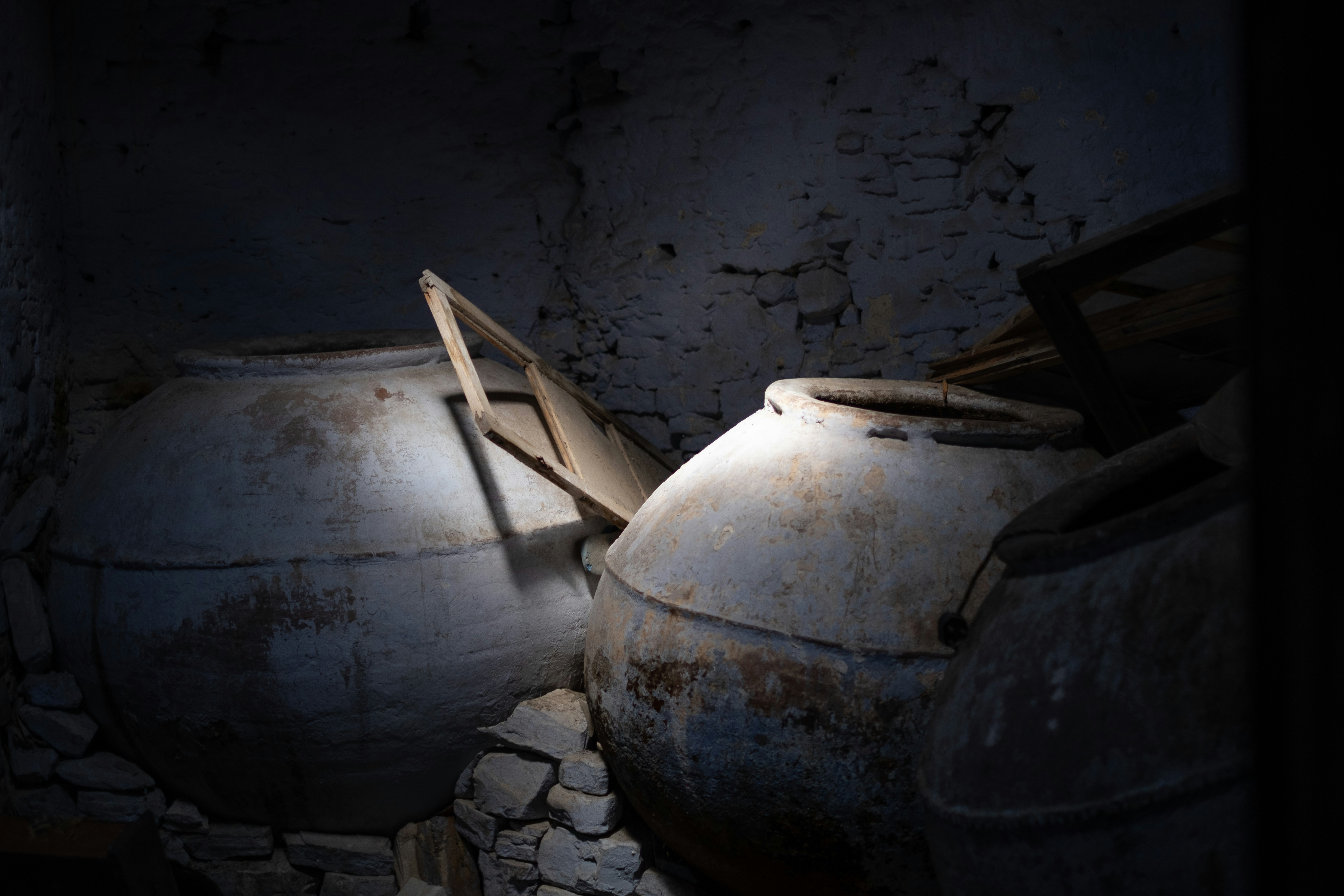
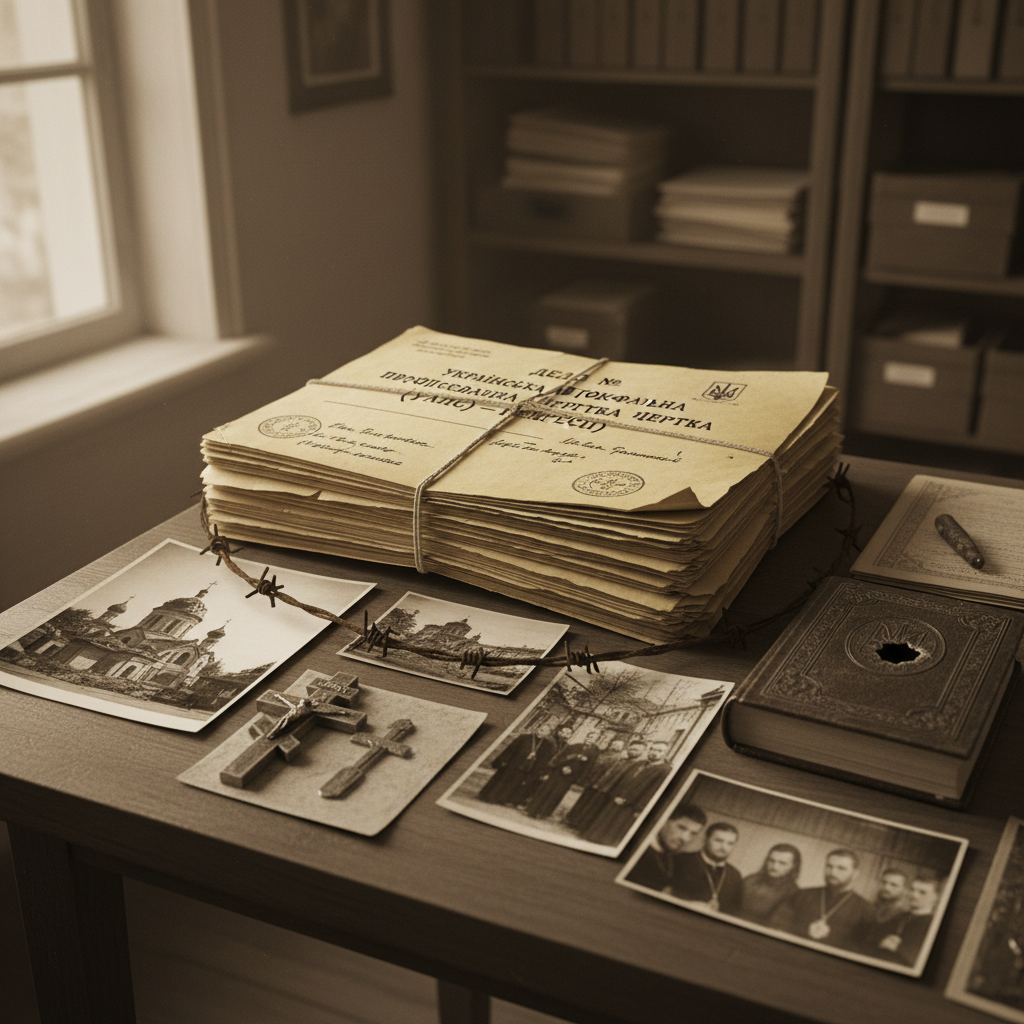
František Novák opens the hall on Korunní Street with a single copper kettle and a handshake agreement with the Budvar brewery. The menu: svíčková, bread dumplings, and whatever the kitchen could manage before noon.
Introduced this era
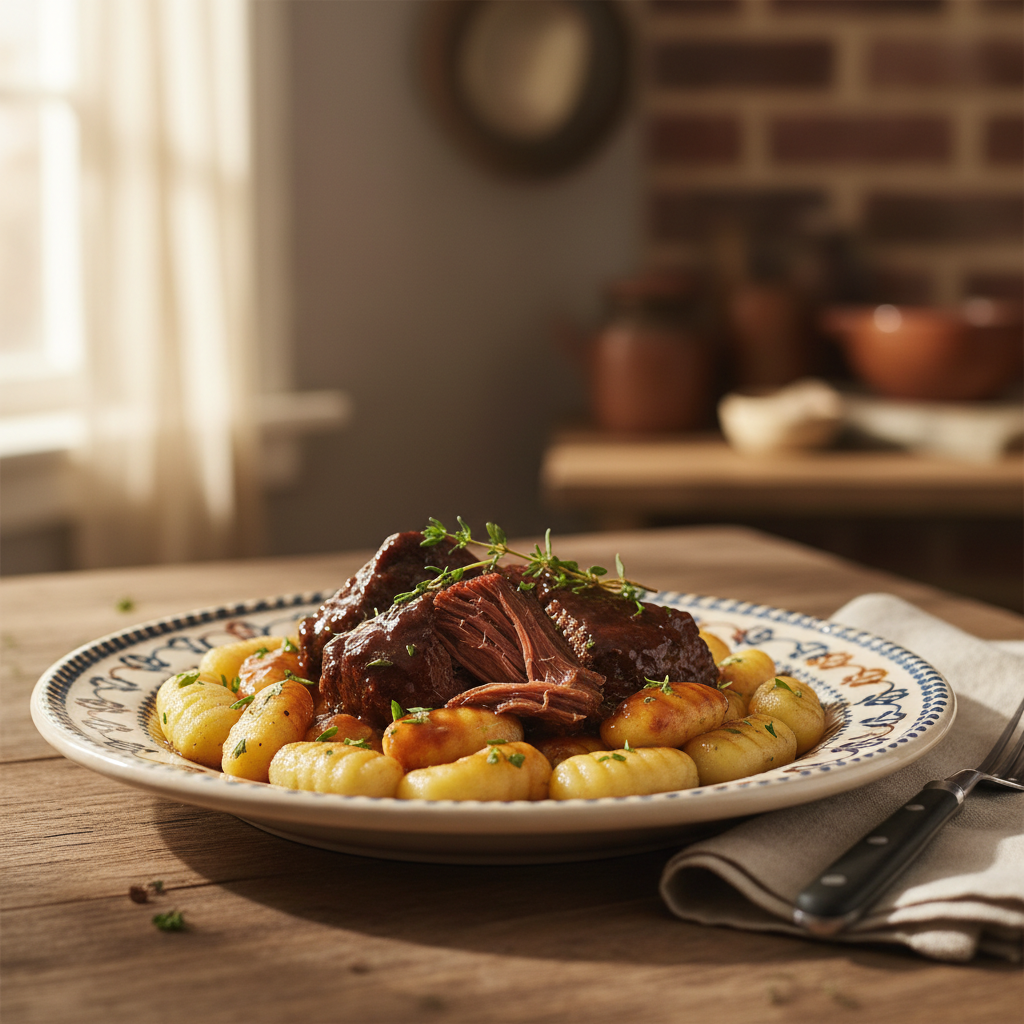
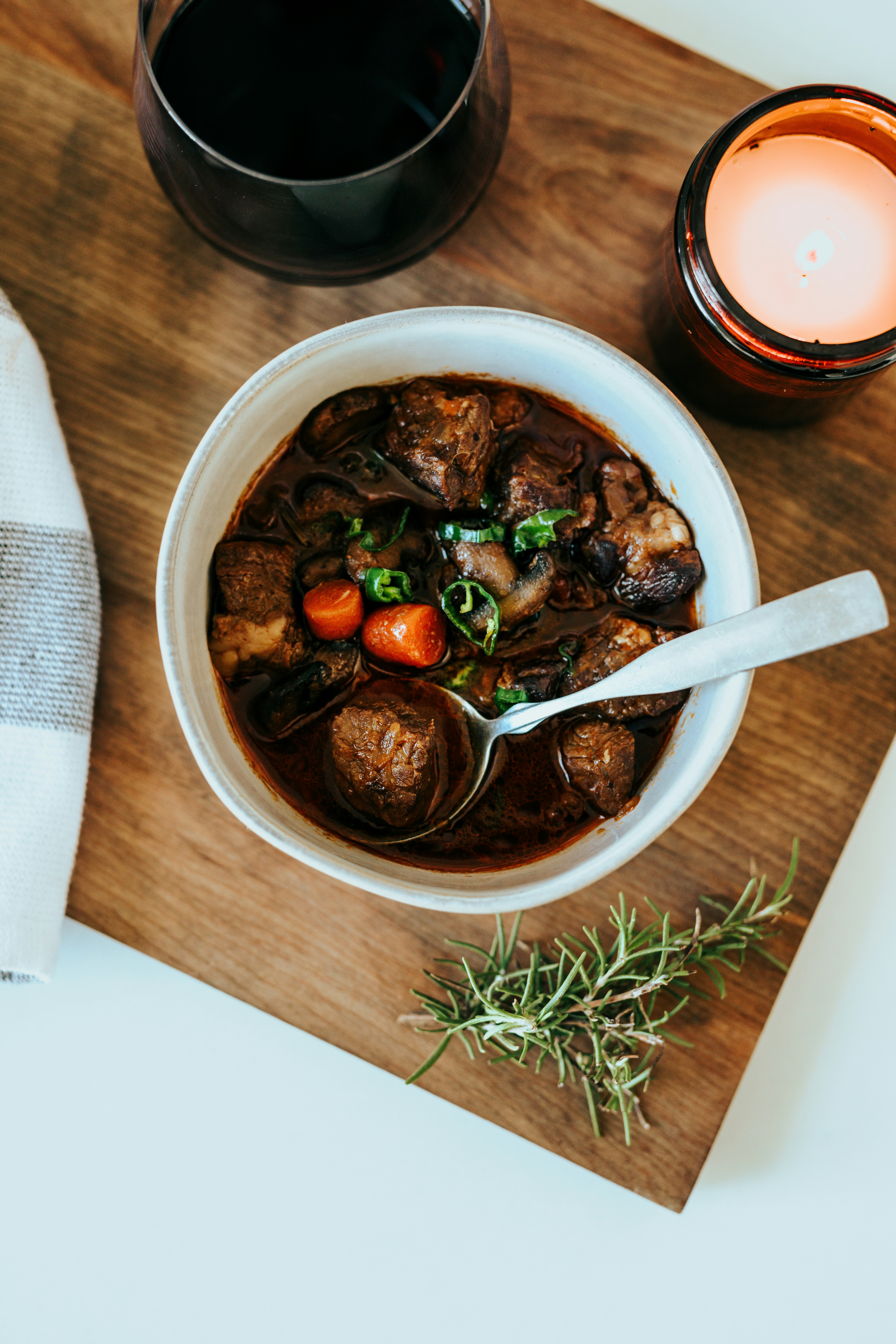
Svíčková na smetaně
Slow-braised sirloin, root vegetable cream, cranberry — the dish that started it all.
Try This One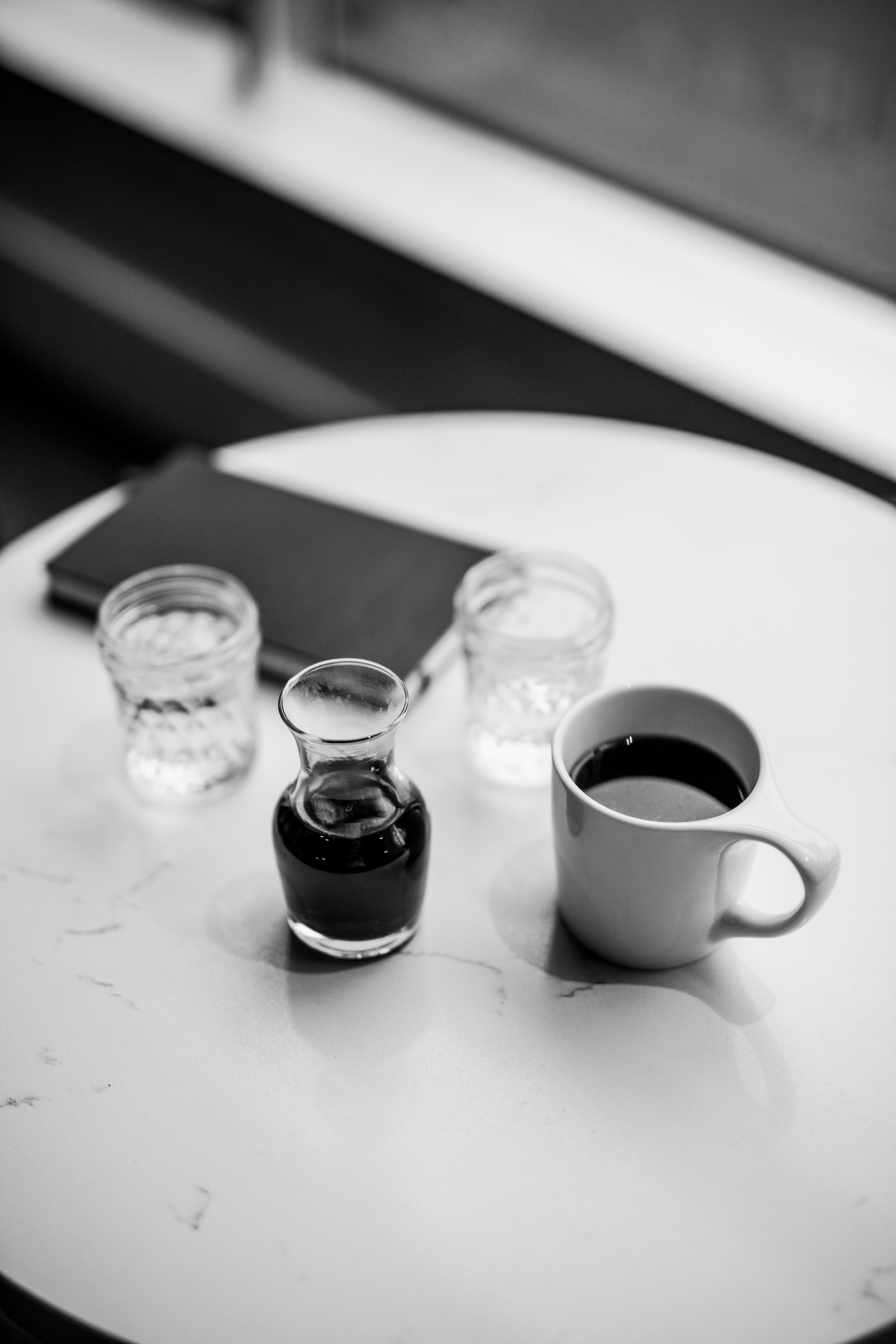
Under New Flags
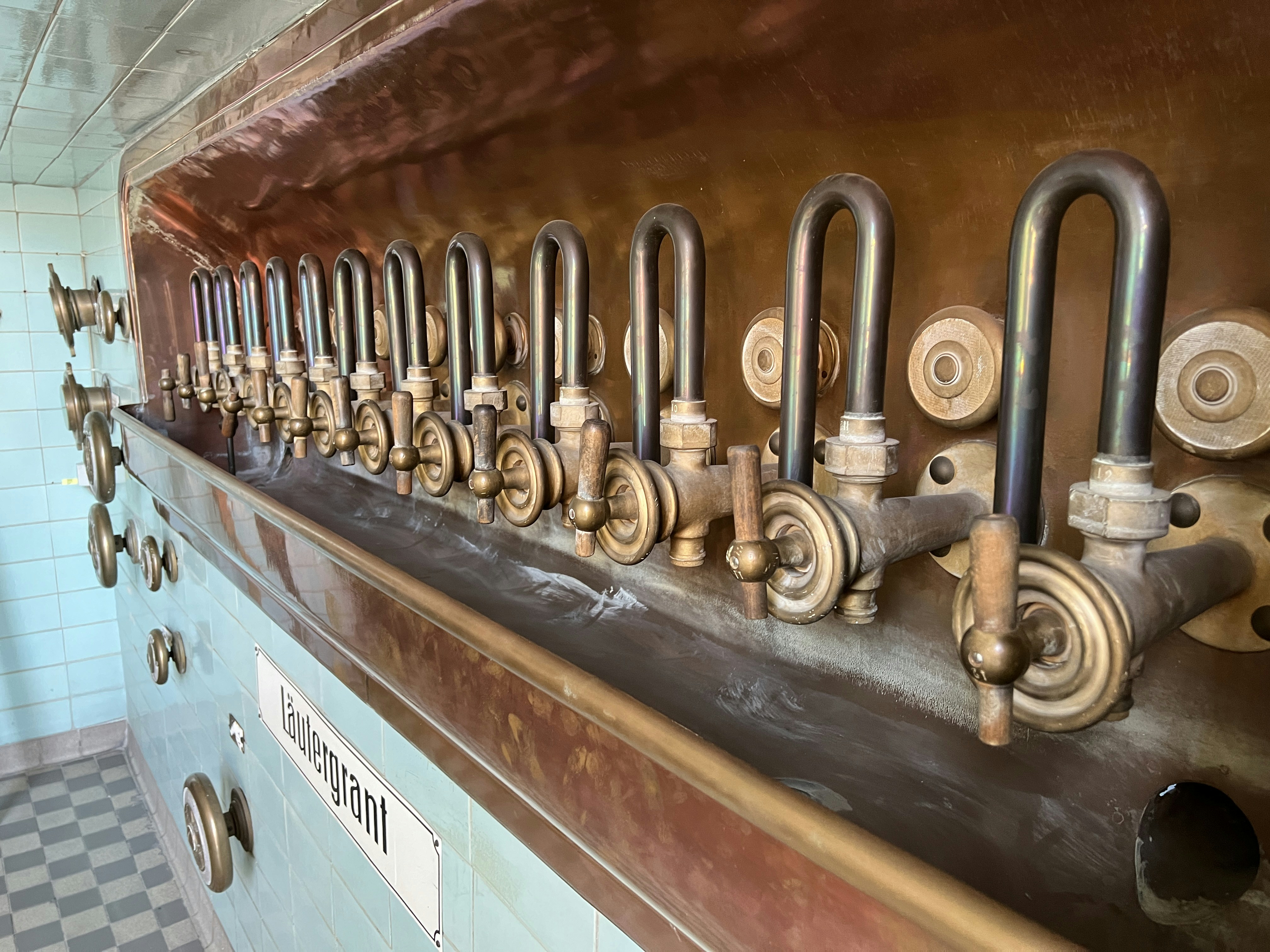
The hall survives nationalisation by becoming a workers' canteen by day and a quiet refuge by night. The ceramic taps installed this year still pull beer today. The bread dumplings recipe is hidden in the floorboards.
Introduced this era
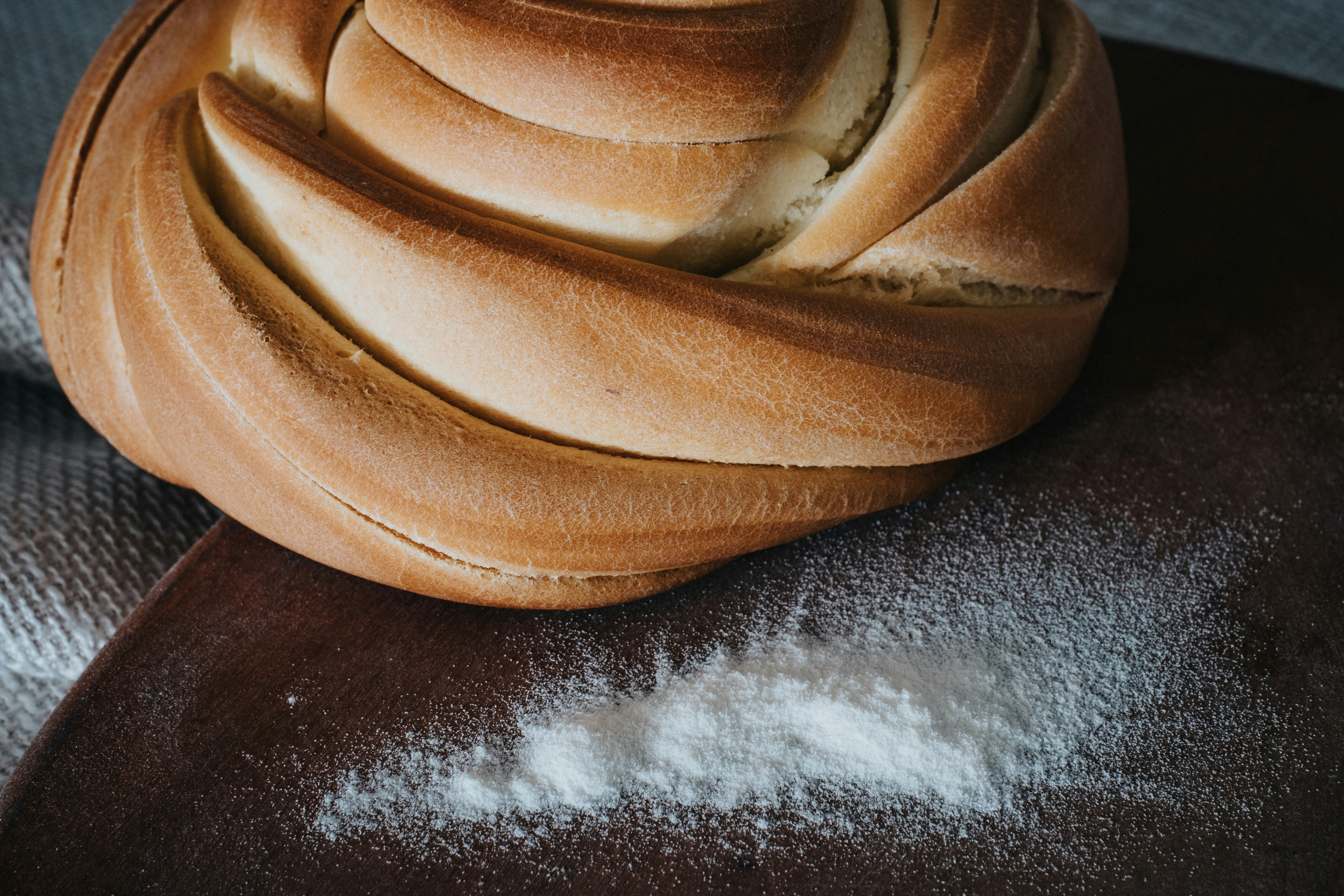
Knedlíky
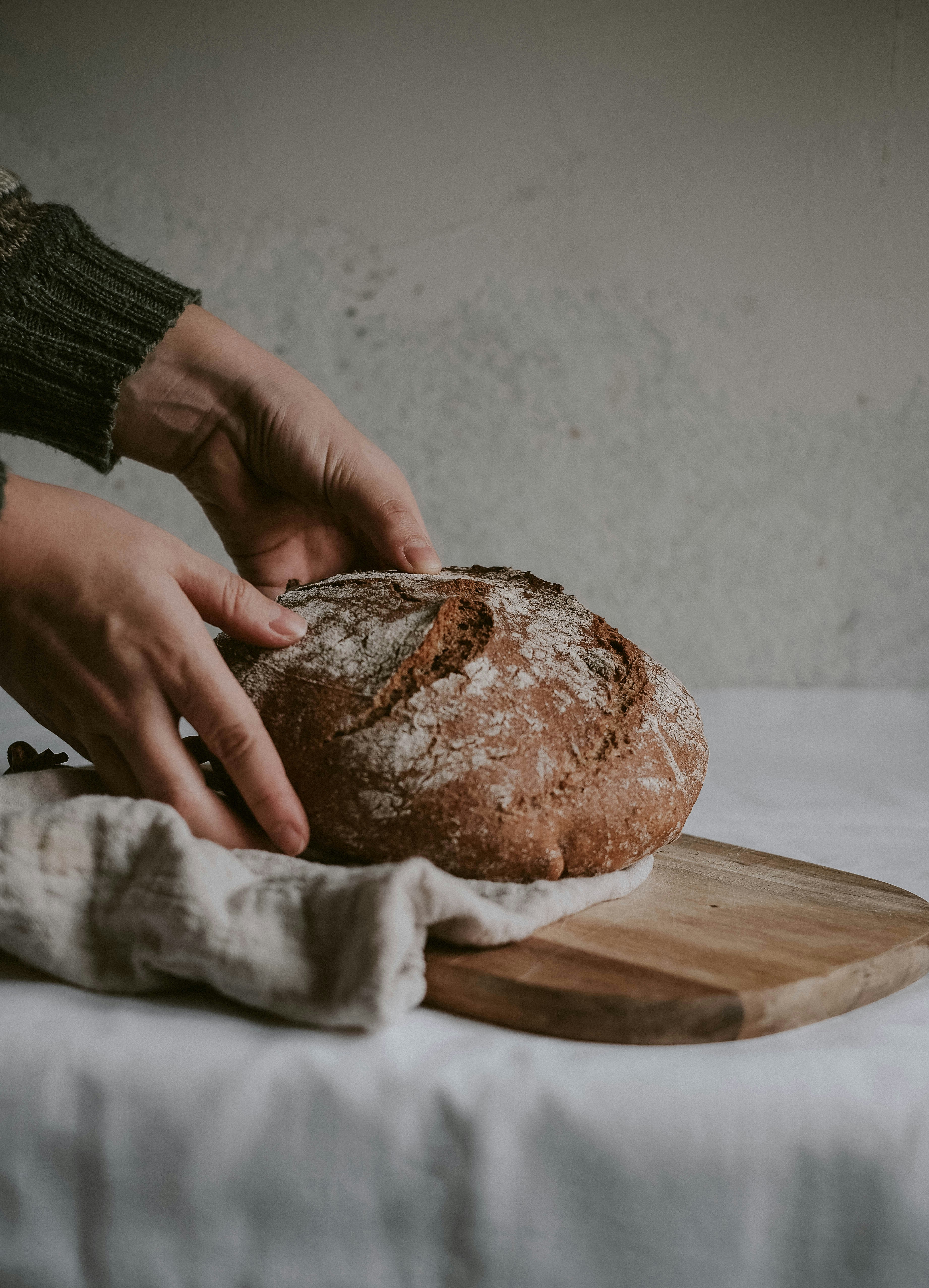
Steamed bread dumplings, made to hold together through any era.
Try This One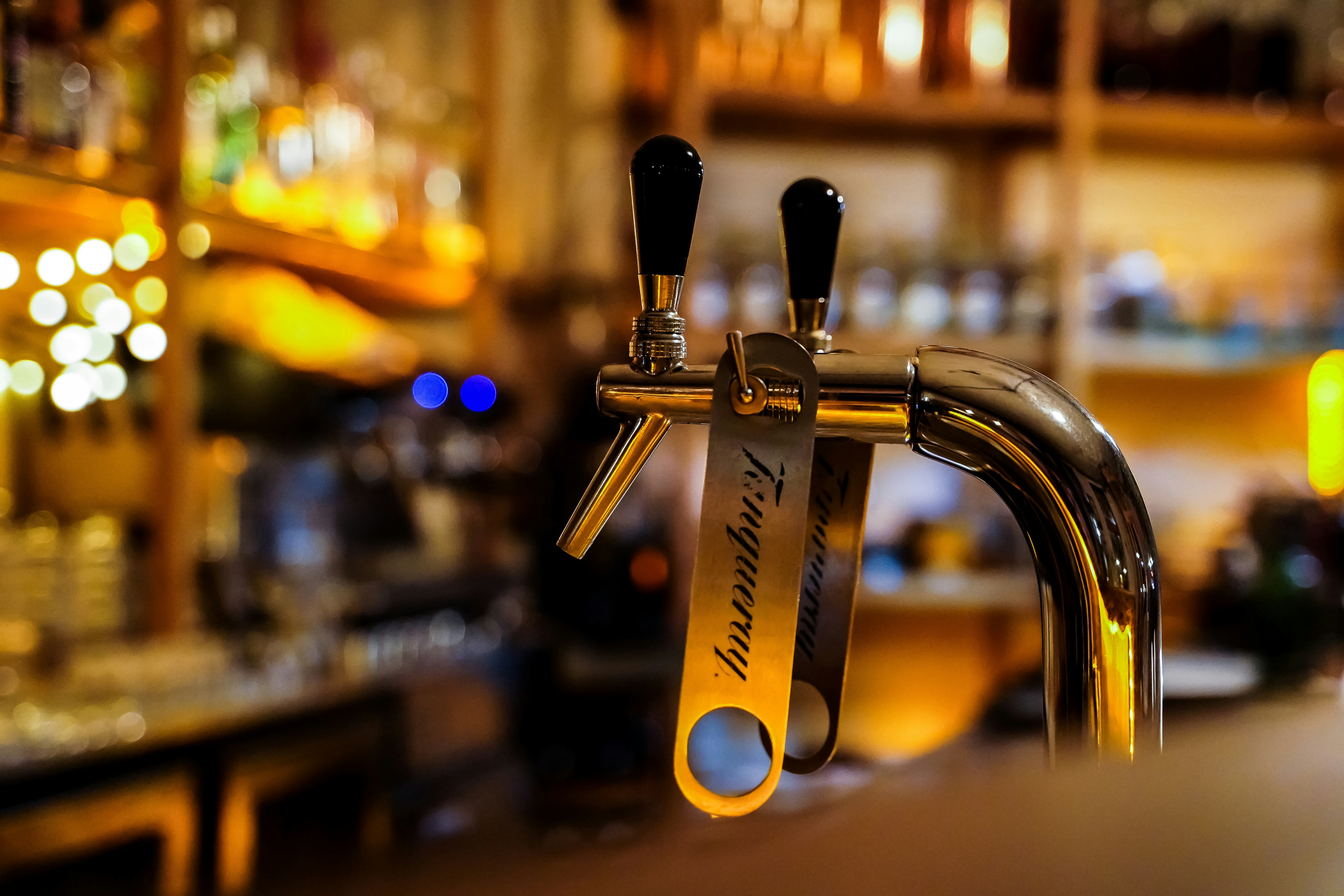
A Quiet Resistance
When the tanks rolled through Wenceslas Square, the hall stayed open. Regulars came not for the beer but for the silence between conversations. The dark lager — Tmavé — was added to the menu that autumn.
Introduced this era
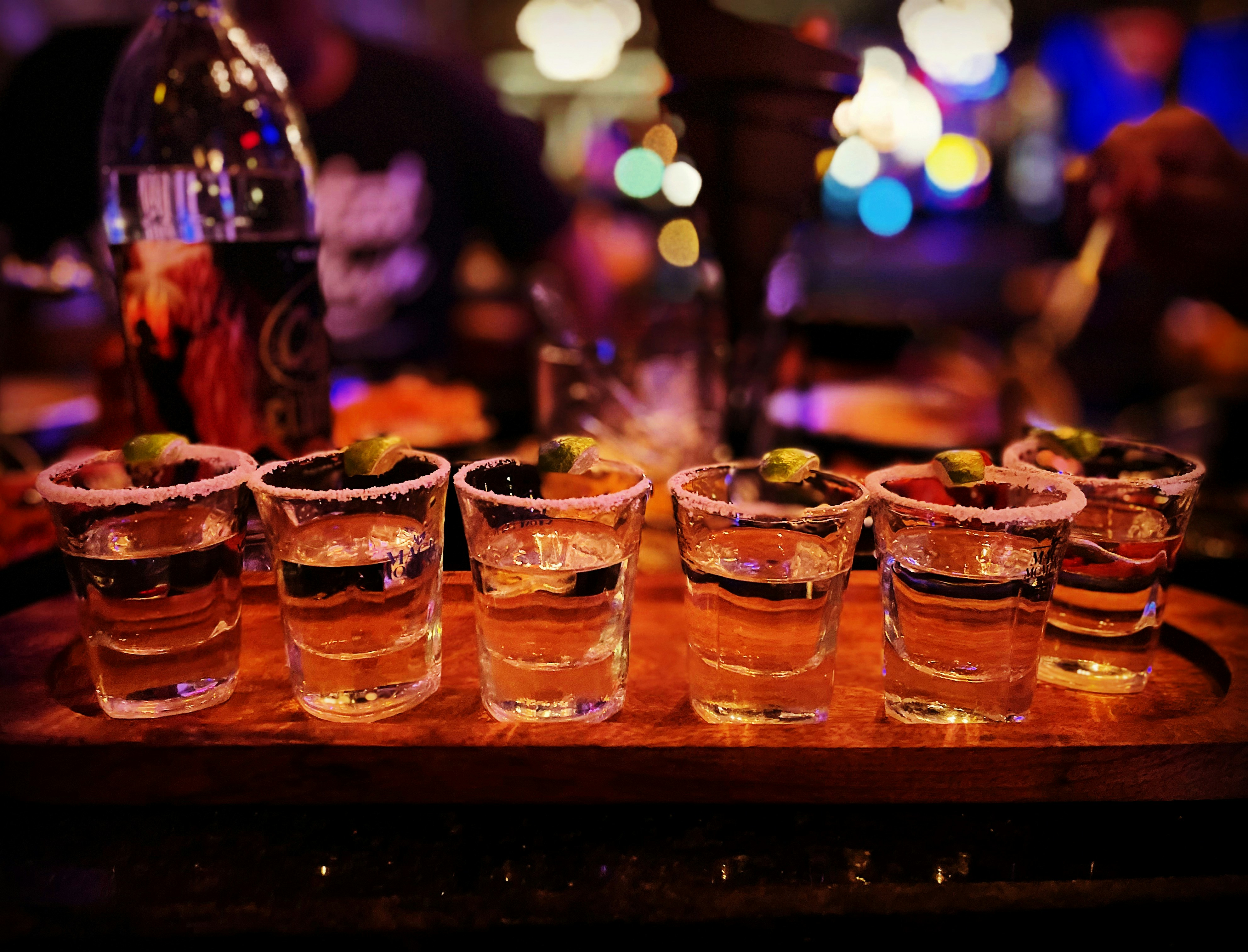
Tmavé pivo
Dark lager, 4.7% — roasted malt, soft bitterness, the colour of that autumn.
Try This One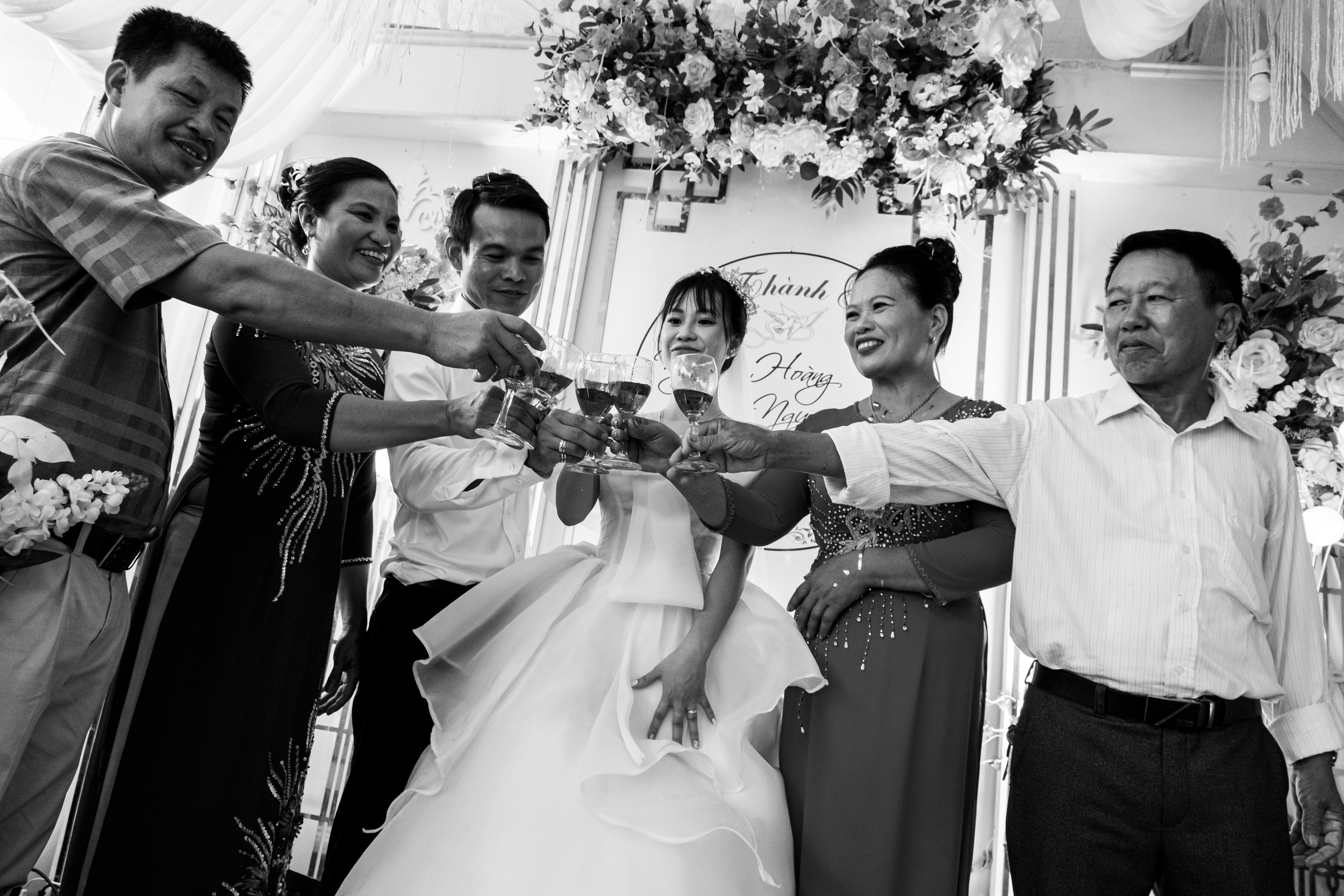
The Night the Wall Came Down
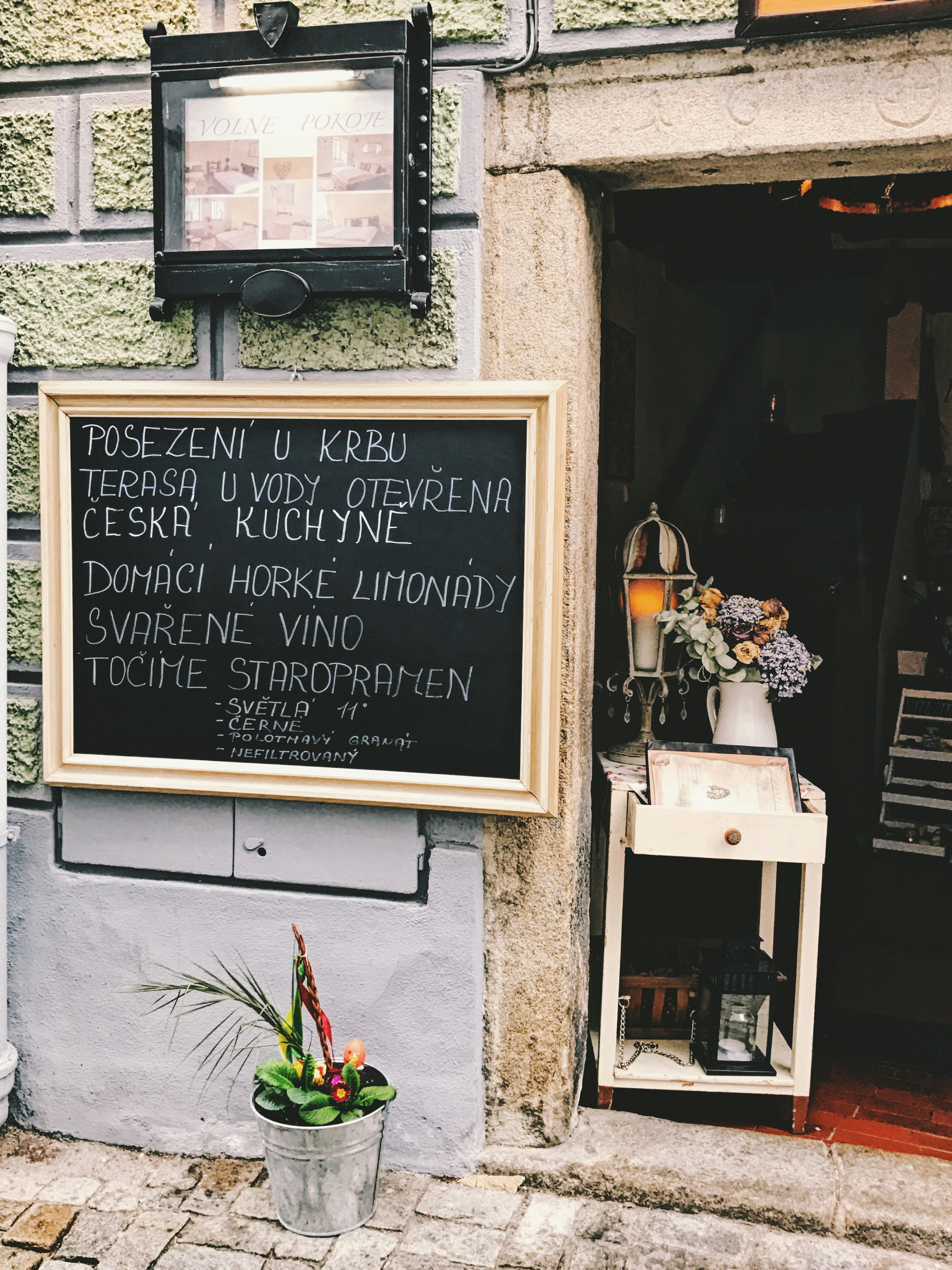
Every half-litre in the house was free until 2am. The chalkboard read simply: "Dnes slavíme." Today we celebrate. The recipe for nakládaný hermelín — pickled cheese — was written on a napkin that night and never changed.
Introduced this era
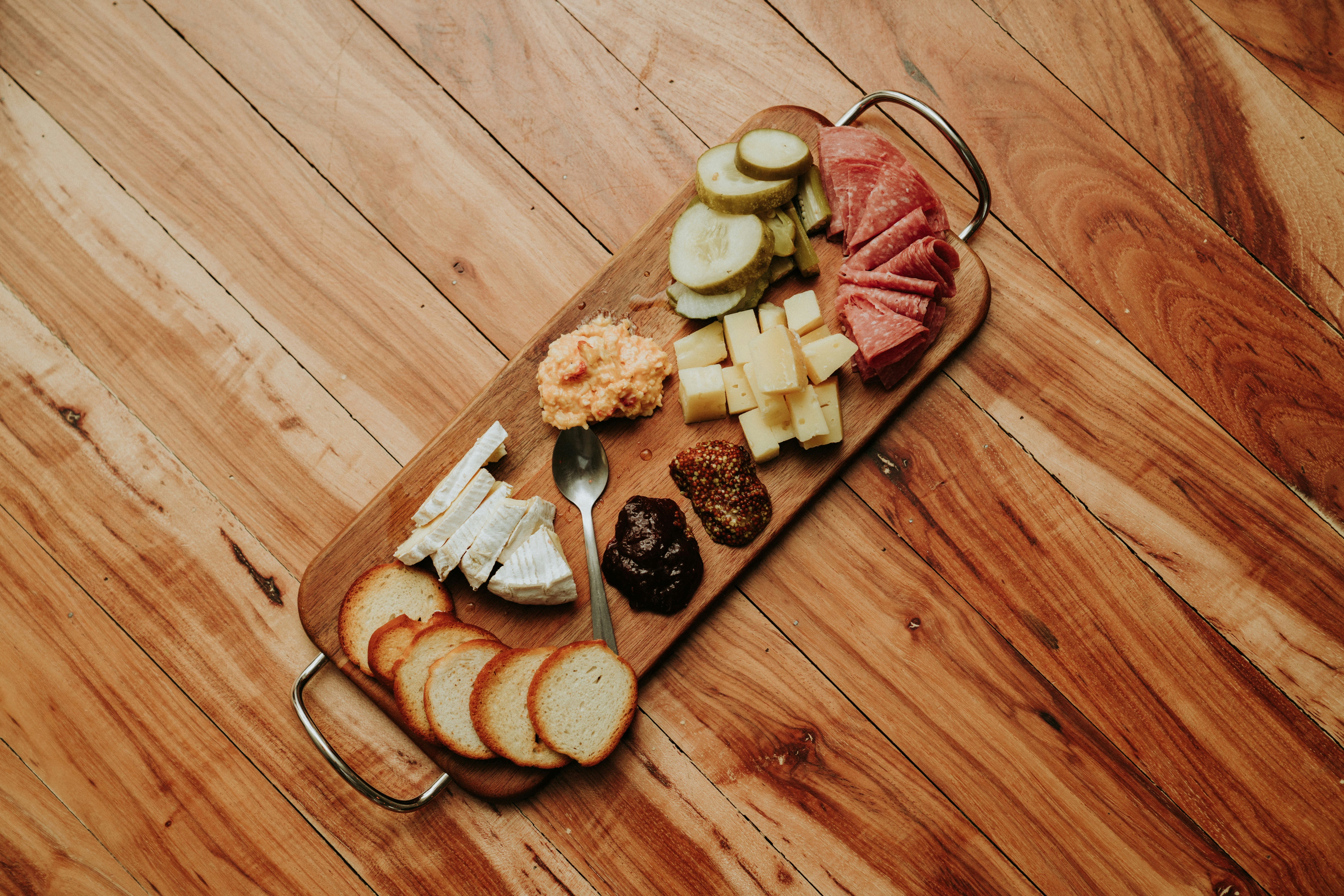
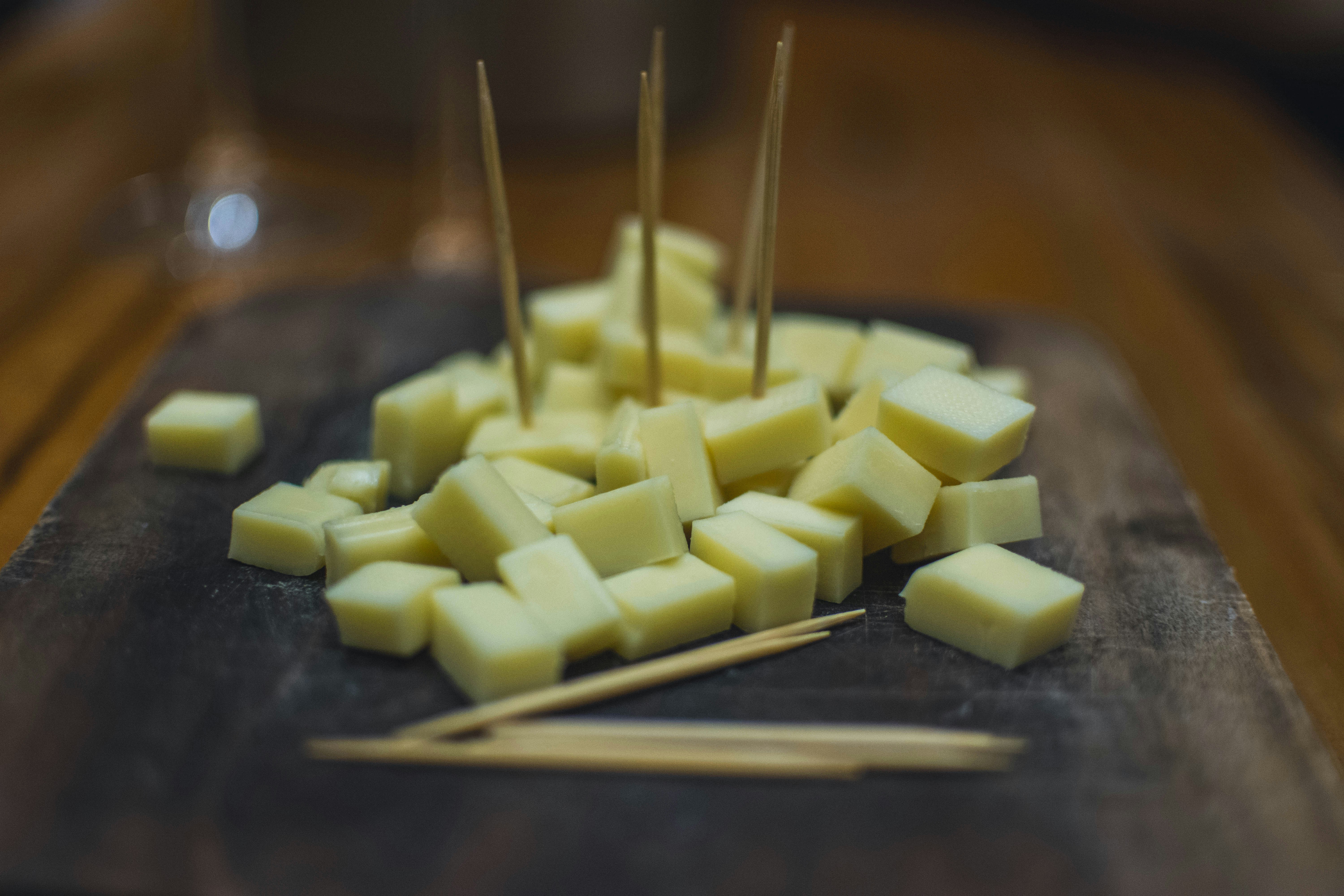
Nakládaný hermelín
Camembert pickled in oil, garlic, and chilli — written on a napkin in November 1989.
Try This One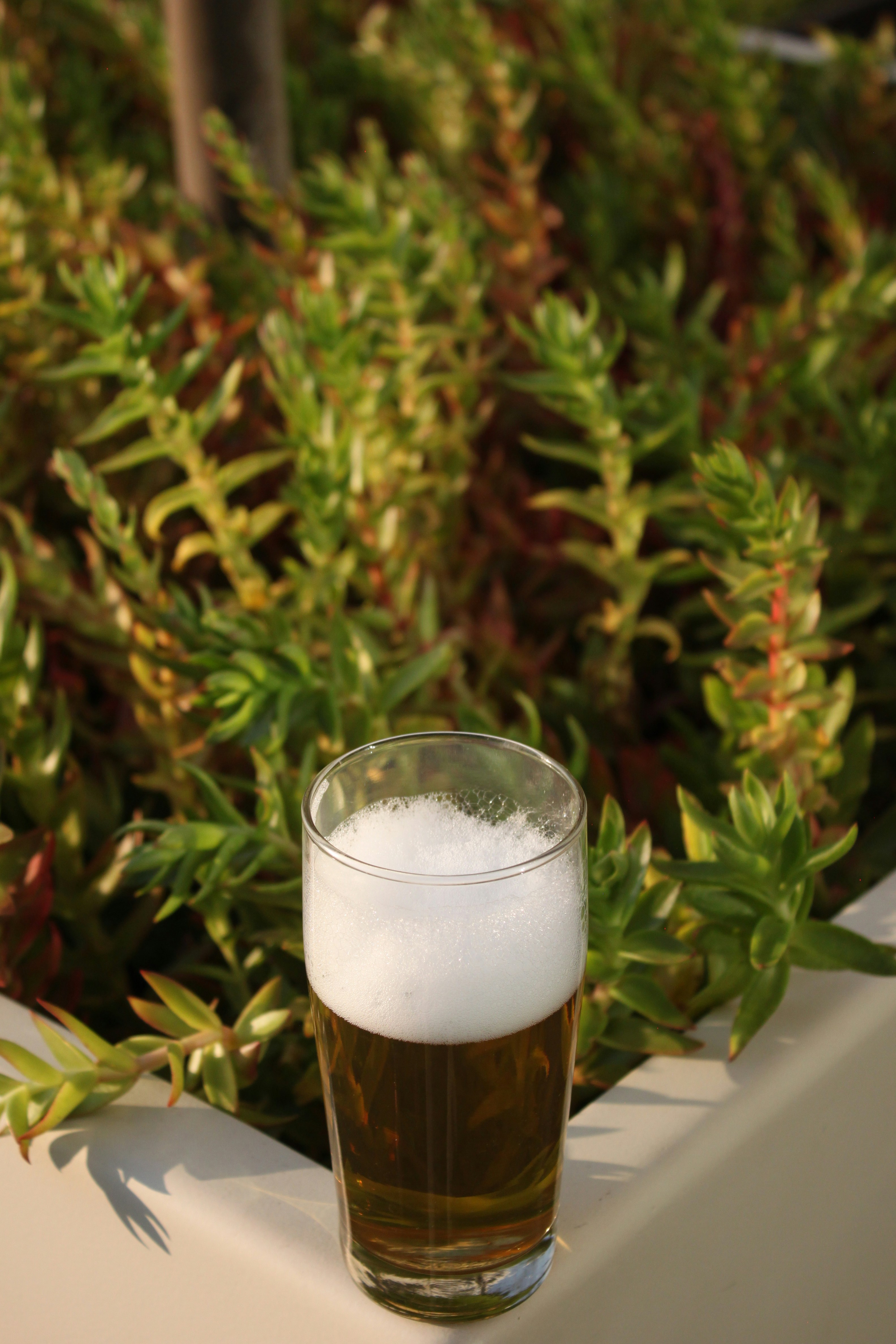
Still Pouring Slow
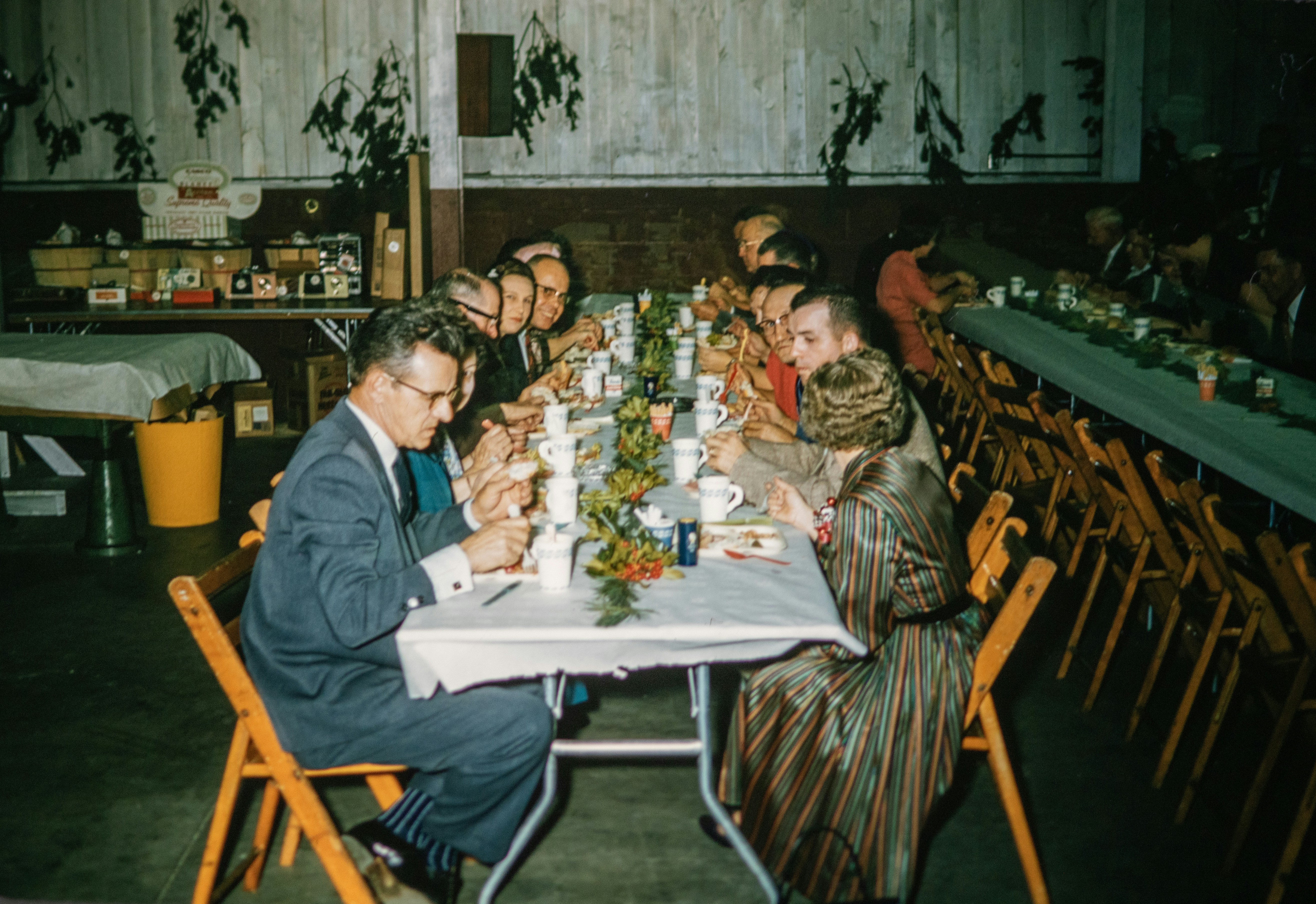
Four generations later, the forty-five-second pour is non-negotiable. The Thursday svíčková is still cooked by a woman named Věra. The bench by the window — the warm one — is still the most fought-over seat in Prague.
Introduced this era
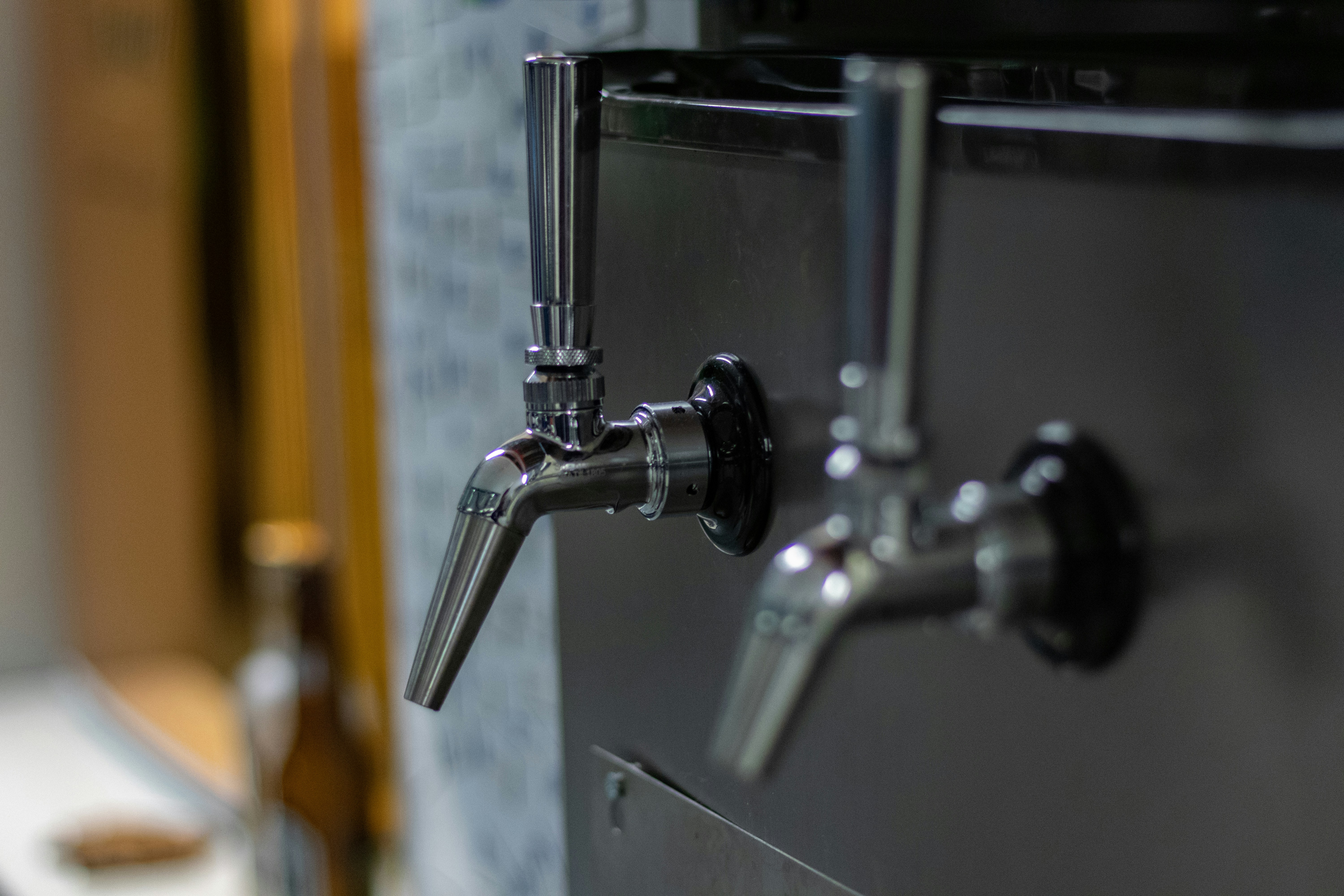
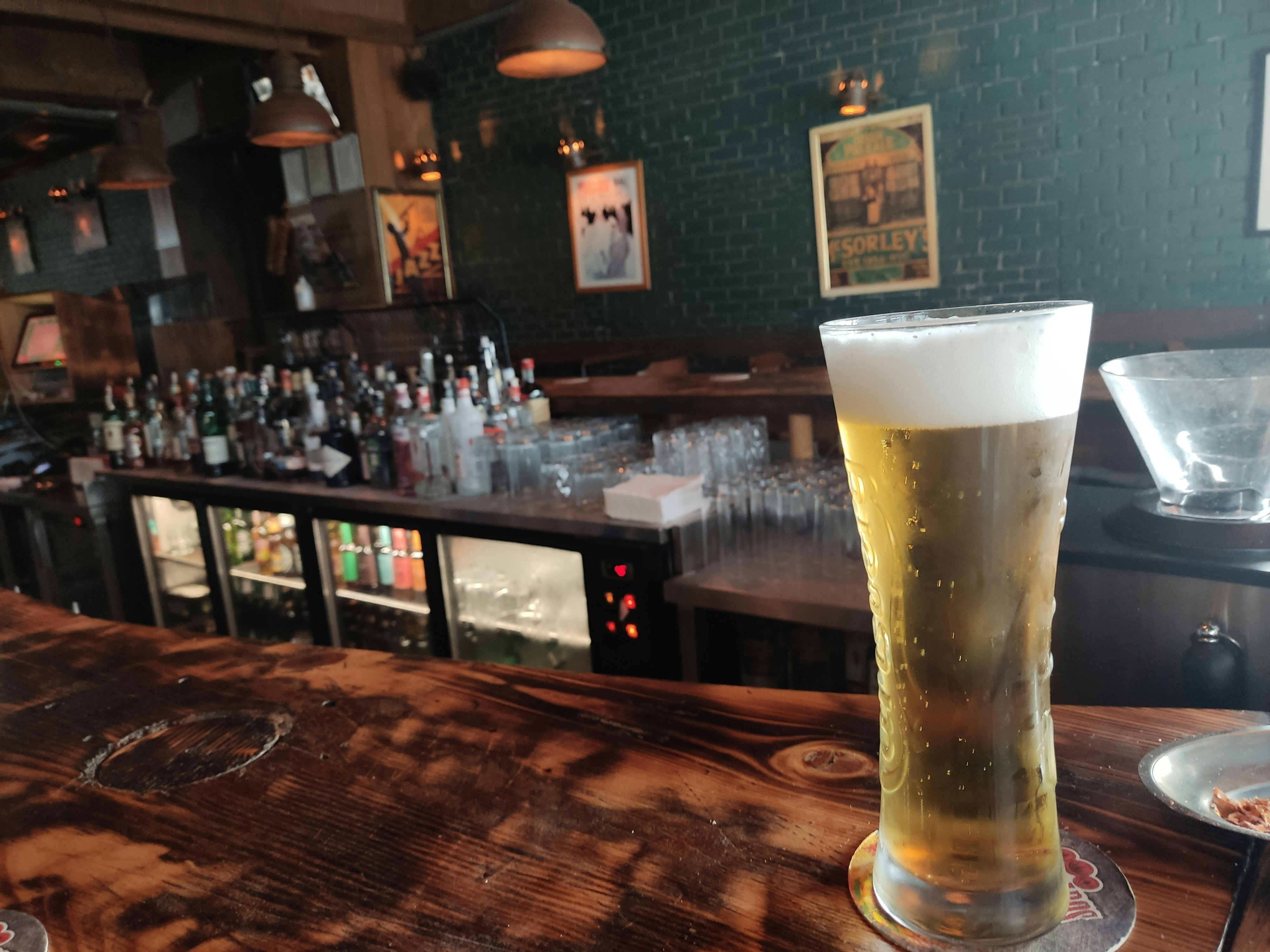
Pilsner Urquell
Pulled through the original 1927 ceramic taps at a glacial forty-five-second pour.
Try This OneThe bench by the window is waiting.
Pull Up a Chair